1
/
of
5
America's Dairyland Tallow Co.
Purple Cone Flower Seeds - Natures Universal Healer
Purple Cone Flower Seeds - Natures Universal Healer
Regular price
$3.00 USD
Regular price
$5.00 USD
Sale price
$3.00 USD
Unit price
/
per
Shipping calculated at checkout.
Couldn't load pickup availability
Purple Cone Flower Seeds
"Natures Universal Healer"
(Echinacea purpurea)
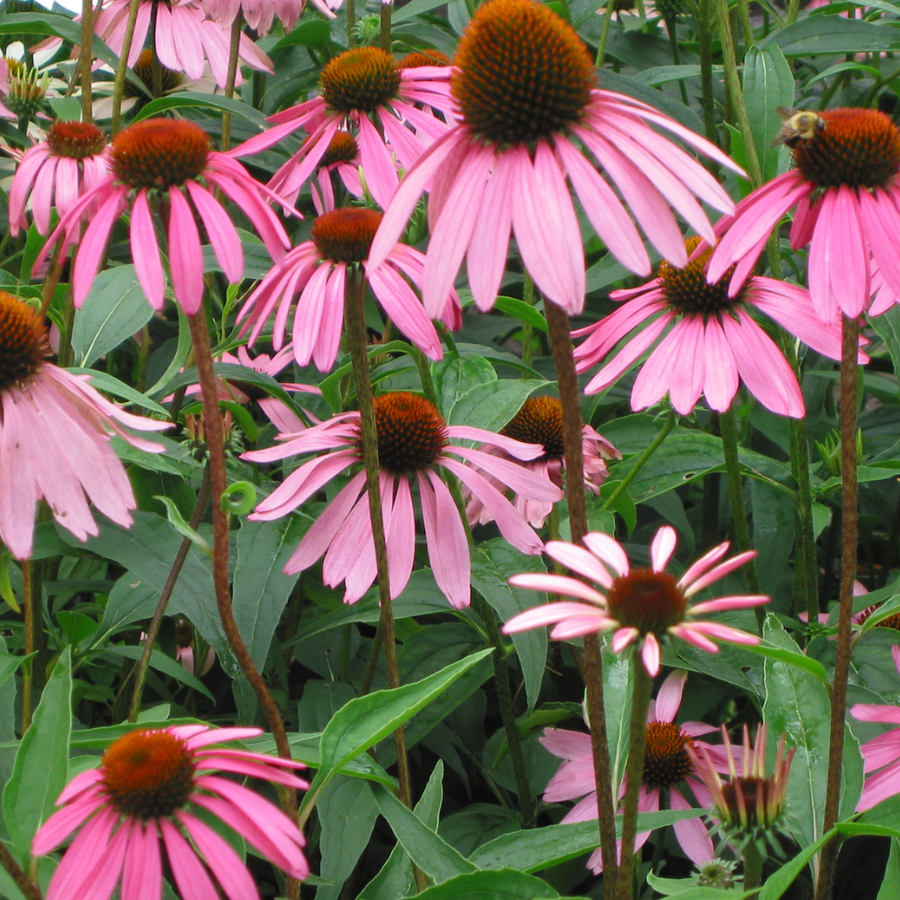
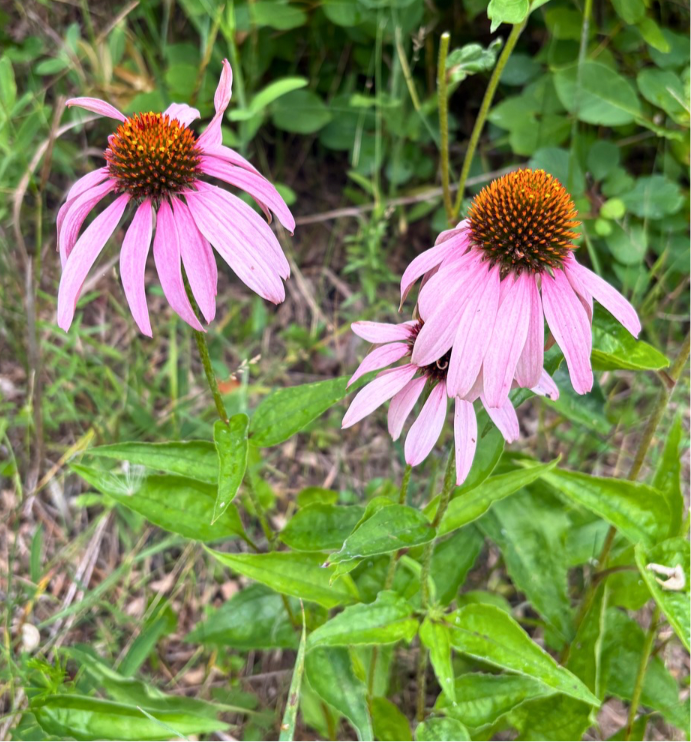
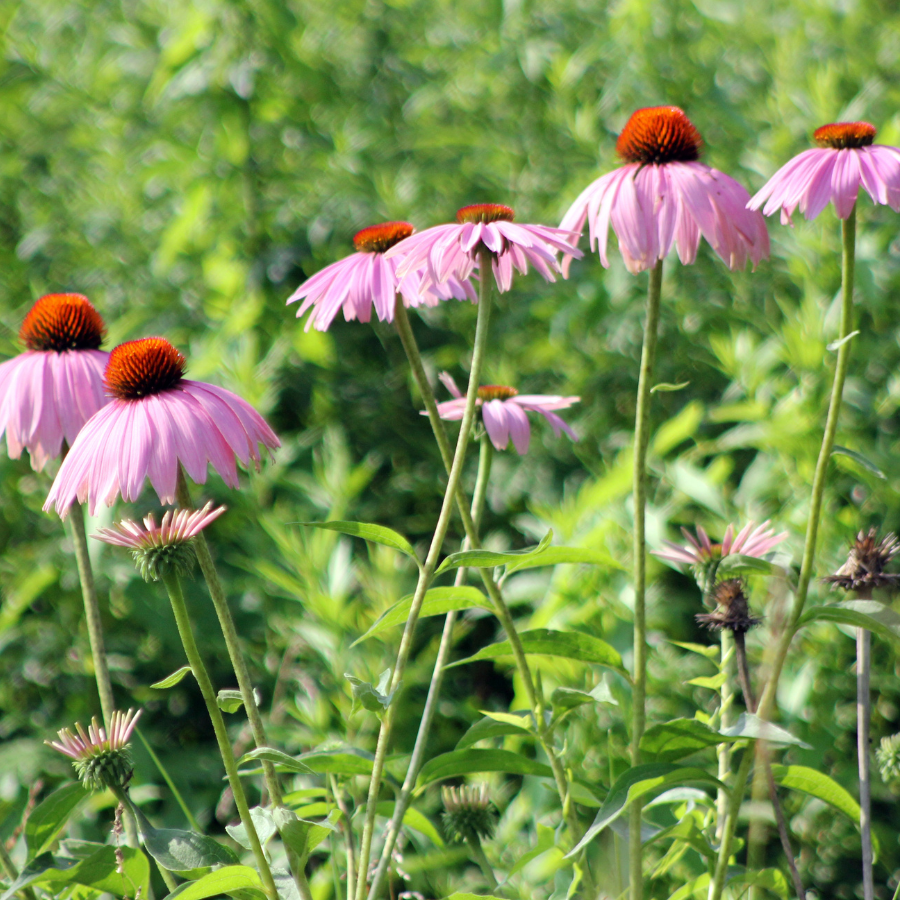
Purple Coneflower, commonly known as Echinacea, is a hardy perennial cherished both for its striking purple-pink blooms and its long history in folk herbalism. A pollinator favorite, it’s as beautiful in the garden as it is valued in traditional wellness practices. Historically used as a seasonal immune-support herb. Commonly utilized to prepare teas, tinctures, tonics, salves and more!
Key Benefits (Traditional Uses)
- Immune Support → Traditionally valued for helping the body stay resilient during seasonal challenges.
- Respiratory Comfort → Folk herbalists used it in teas or tinctures to ease throat scratchiness and general chest discomfort.
- Wound & Skin Care → Historically applied as poultices, washes, or salves for minor skin irritations, bug bites, and scratches.
- Anti-inflammatory Support → Traditionally used to calm swelling or discomfort in joints and tissues.
- General Vitality → Long respected by Native American tribes and herbalists as a strengthening tonic for overall wellness.
How to Grow Purple Coneflower
- Packet includes 100+ Non-GMO, wild-harvested, untreated heirloom seeds
- Perennial in zones 3–9
- Prefers full sun and well-drained soil
- Cold stratify: sow in fall for natural winter chill, or refrigerate seeds 30–60 days before spring planting
- Plant ¼" deep; blooms mid-to-late summer
Growing Life of Purple Coneflower (Echinacea purpurea)
- Perennial Herb → Returns year after year, growing stronger with time.
- Year 1 → Plants focus on root development. You’ll usually see leafy growth, but blooms may be limited.
- Year 2 → Plants reach maturity and produce vibrant purple-pink flowers with spiky cone centers.
- Bloom Season → Summer through early fall (June–September). Flowers attract bees, butterflies, and other pollinators.
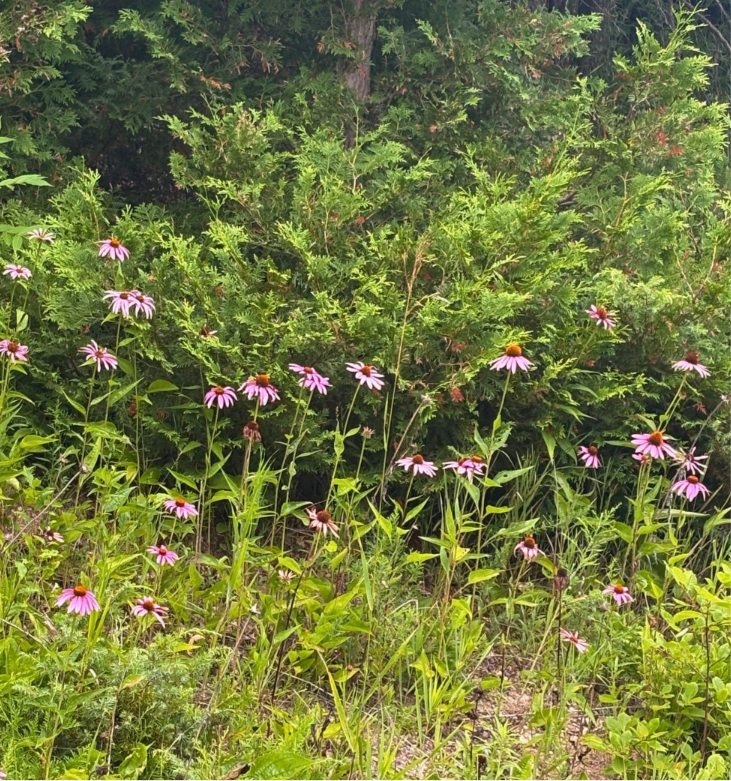
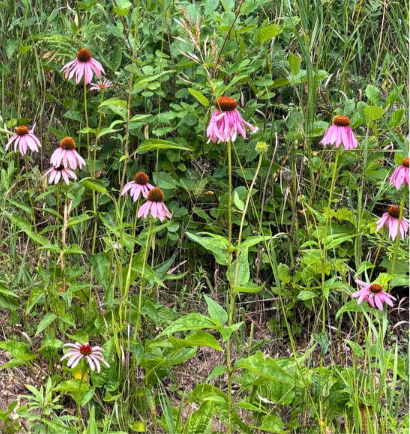
- Height & Spread → Grows 2–4 feet tall with sturdy stems, forming clumps that expand each season.
- Longevity → With proper care, plants can thrive and bloom for 5–10 years or more.
- Seed Production → After blooming, flower heads dry and form seeds, which can self-sow or be saved for replanting.
- Winter → Top growth dies back, but roots remain alive underground, ready to sprout again in spring.
Important Notes
- Best when grown in healthy soil without chemicals
- Use with care — this plant has strong traditional associations but is not FDA evaluated
- Not intended to diagnose, treat, cure, or prevent any disease
Share